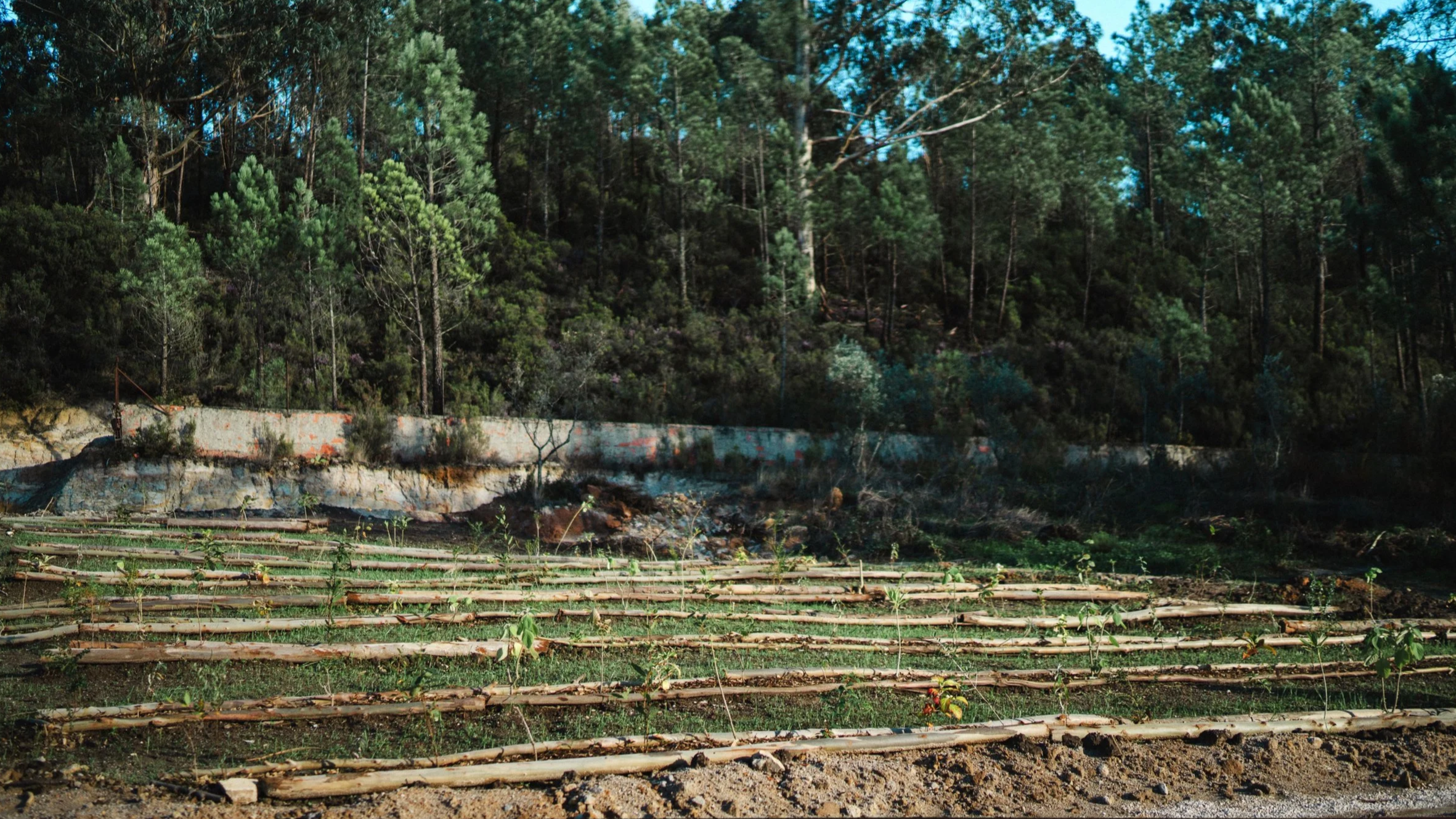
Planta Floresta is an initiative led by one person (with contributions from family and friends) with the aim of regenerating ecosystems since March 2018.
The main focus is to investigate and share resilient and regenerative models for reforestation and agricultural production, promoting educational events for families and schools, and producing quality food for the local population through the knowledge of Syntropic Agriculture (Agroforestry) adapted to Portugal's climate.
At the Quinta we are grateful to be able to collaborate with Ruben, the man behind Planta Floresta.
“I followed a common academic path with a Degree in Computer Engineering. I practiced for several years until I decided that I wanted to dedicate myself to causes that are important to human beings. Since 2013, I have been involved with sustainability issues. I received training in Permaculture in southern India (Auroville) and in 2015 I took my first steps in Syntropic Agriculture through a small workshop. In 2018 I had my first contact with Ernst Gotsch with a course at Herdade do Freixo do Meio and from that moment on I dedicated myself completely to agriculture and regeneration. I started the Planta Floresta project with the aim of reforesting a very degraded area and producing food. It became my learning laboratory with the installation of different systems. I continued to participate in various training and related events. From 2021 onwards I started providing training and consultancy and gained experience in more than 15 projects where I provided planning, implementation and monitoring in Portugal and taught more than 5 courses. I have also had the pleasure of working on Marc Leiber's project, a great student of Ernst Gotsh and an example of Syntropic agriculture in our climate.
What moves me is investigating more sustainable ways of existing. Above all, so that our children and grandchildren have a better future. With better quality in food and water. With more living forests. With peace and harmony. As a basis for existence, I believe we need to practice peaceful agriculture and generate again the abundant Forests that once existed. Water plants itself. “ - Ruben Costa
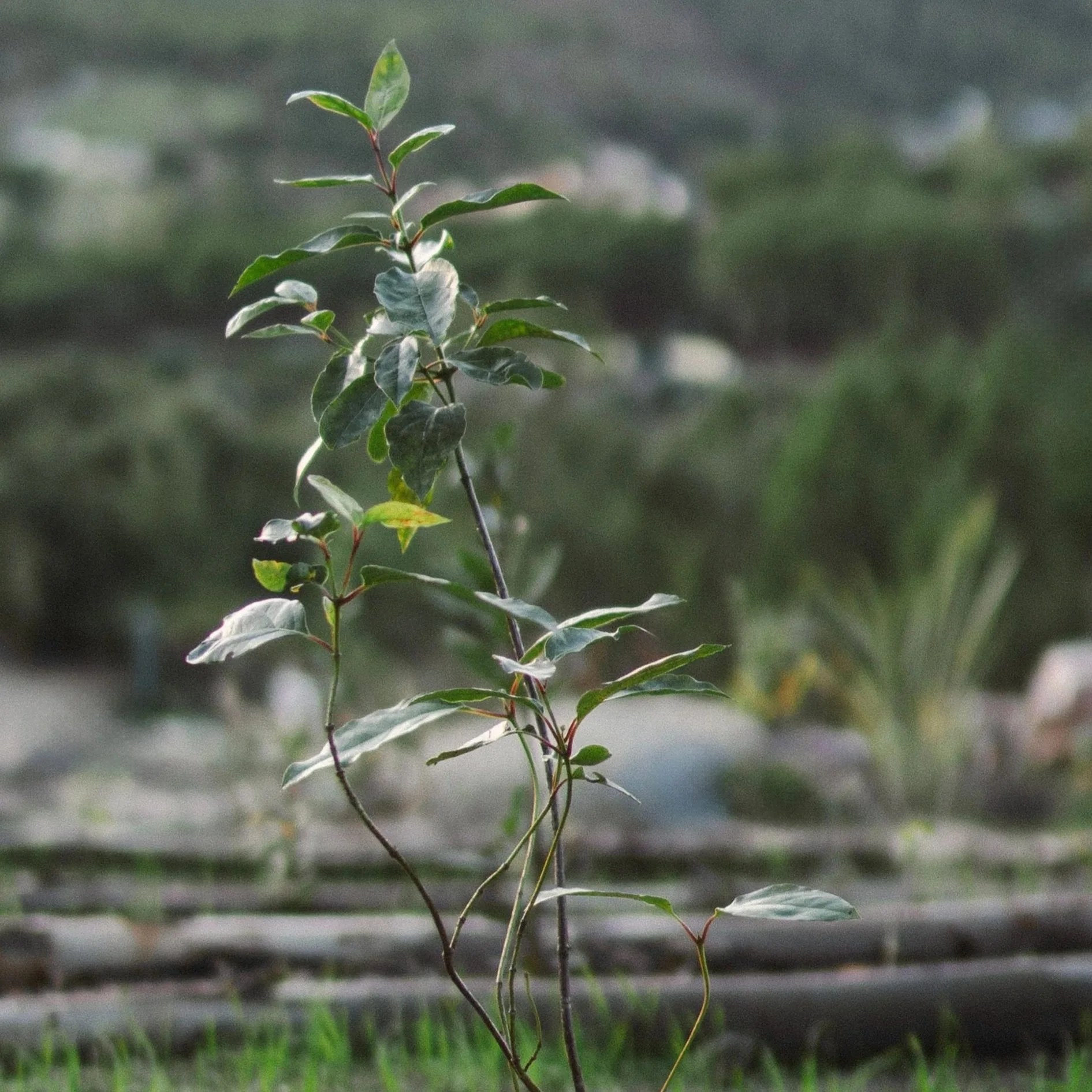
Syntropic agriculture
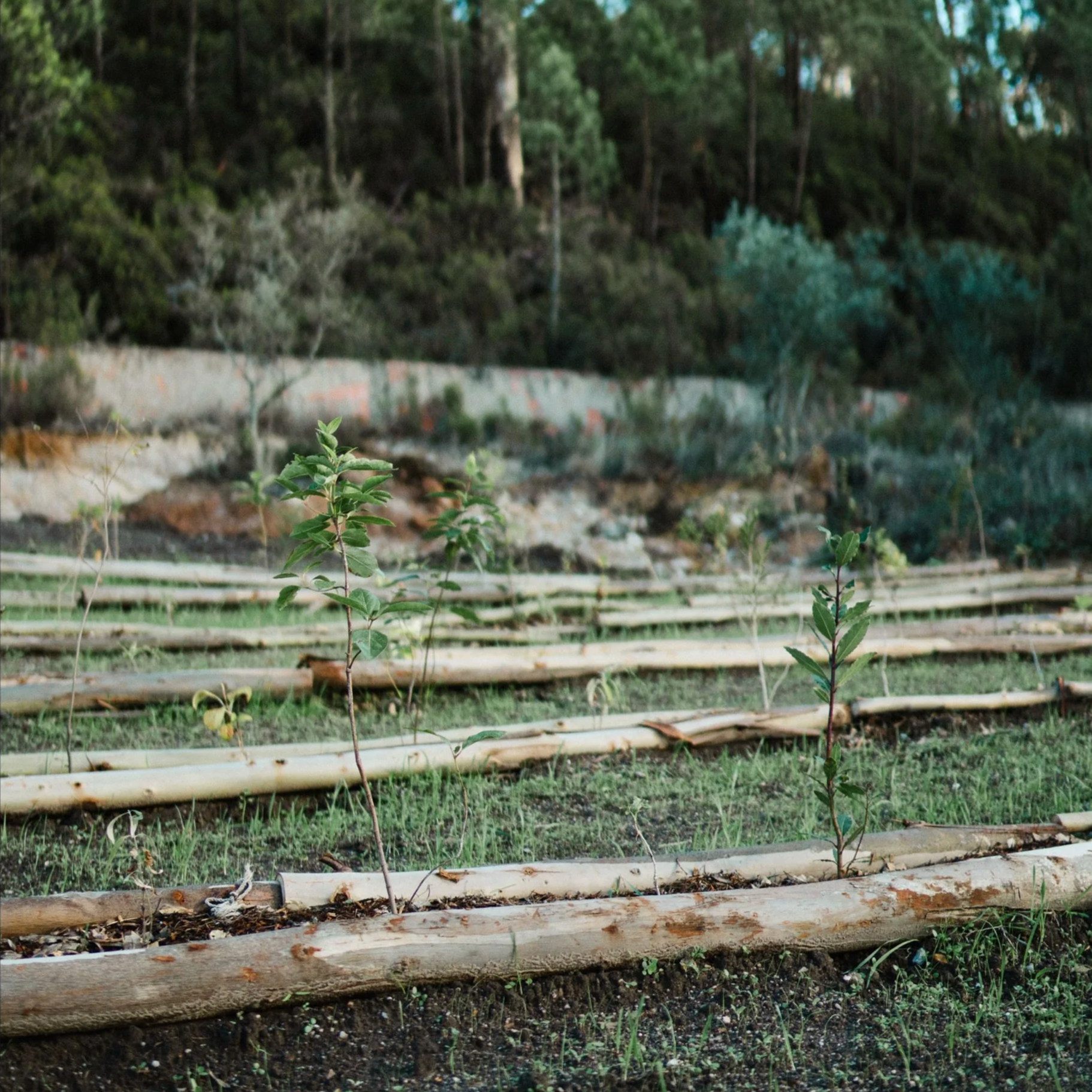
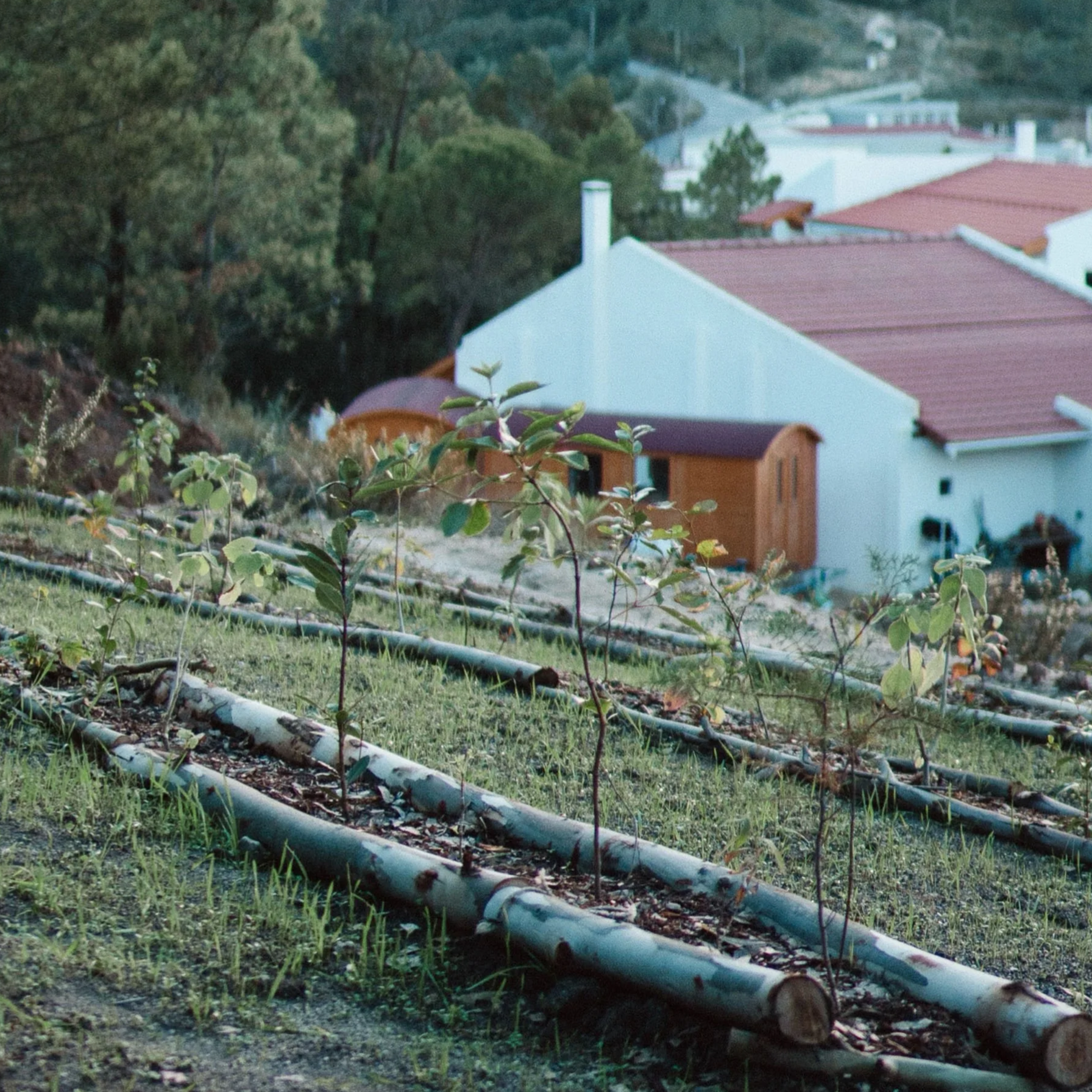
Syntropic agriculture is an agroforestry system that mimics natural forest ecosystems to create sustainable and regenerative farming practices. It focuses on promoting biodiversity, soil health, and long-term productivity while reducing the need for external inputs. The concept was popularized by Brazilian farmer and researcher Ernst Götsch and has gained attention worldwide as a promising approach to sustainable agriculture.
Syntropy is not a form of agriculture. It is a way of seeing the existence of life on the planet or in other words, how life forms and coexists to prosper.
Through a Syntropic look at the planet, we can understand that it is an intelligent
macro-organism and that through the principles/processes/laws that exist within it, it has been accumulating energy and different forms of life, always increasingly complex, adapted to changing times. The human being exists as part of a complex inter and intra dependent network of living beings.
From this perspective of observation and interaction with the entire environment, Syntropic Agriculture was born, which consists of the application of natural processes in our contact with nature. Food production or reforestation are examples where we must improve our practices.
Syntropic Agriculture is based on life processes and not on external inputs/resources
(fertilizers, herbicides, fertilizers, irrigation). Which translates into a greater need for knowledge about plants and the entire relationship of life than in conventional agriculture.
One of the main objectives is to achieve a positive energy balance in our interaction with the environment. In other words, the result of each action we take should produce more resources than it takes away. If the balance is negative or even neutral, we will not be able to live sustainably.
In this form of agriculture, great importance is given to the soil and how it is cared for because everything depends on it. We know that this great living being is the secret to an abundance of resources, health and quality of life. In a healthy forest, there is increasingly more fertility and humidity without any human being needing to intervene. To have soil we need life to exist in it. And the more life, the better the quality of it. To have life, we need plants. If we have plants, we have water, we have wood, we have energy. If we have soil and water, we have quality food, without diseases. And if we have food, we have animals that interact in the ecosystem creating even more life. In other words, if we constantly feed life from the soil, we produce more and more resources that are indispensable for existence.